
As Bangladesh approaches its graduation from Least Developed Country (LDC) status by the end of 2026, the nation stands on the brink of a major economic transition. Graduation will unlock new global opportunities but also phase out critical international support measures (ISMs). For the Ready-Made Garment (RMG) sector, which makes up nearly 80% of national exports, this shift will result in rising costs (higher tariffs, reduced access to technical support, and increased borrowing and wages) and tightening compliance pressures. Global buyers are increasingly integrating emission targets and ESG disclosures into sourcing requirements. Small and Medium Enterprises (SME) in this sector (85% of total factories) are most at risk of dissolution, having yet to develop the capabilities required to meet the coming stringent standards.
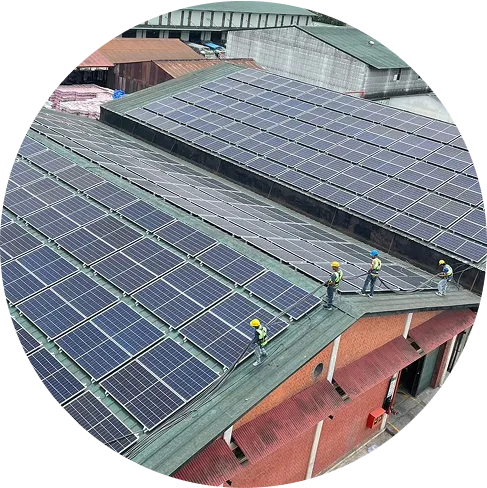
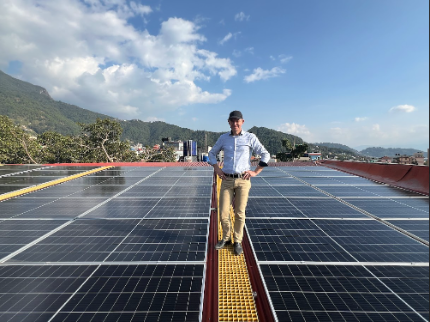
In this changing landscape, renewable energy is proving its worth in being a strategic advantage, alongside being a suitable sustainability choice. With renewable installations already proving viable across industrial rooftops, for SMEs this is turning to an investable reality rather than a far ambition. With average solar irradiation of 4 – 5 kWh/m²/day in Bangladesh, geographically Bangladesh is well positioned for solar production. These investments have a payback period ranging from less than a year to around three years. So, the pushback from the upfront investment might be tough, but the opportunity to step onto sustainability and resource efficiency is an attractive proposition for such businesses. Alongside just starting out as a sustainable enterprise, SMEs in the RMG sector strengthen their resilience against the rising rate of retail electricity tariffs.
Also, there are also lower cost business models now such as the OPEX model, where enterprises will only pay for the energy consumed typically at an agreed per-unit tariff that is lower than or competitive with grid electricity (even after inflation adjustment). An external energy servicing company (ESCO) will invest, install, and operate the renewable energy system. The ESCO will be responsible for system performance, maintenance, and operation throughout a set contract period. After the contract ends, ownership of the system may transfer to the client, or the agreement can be renewed.
Transitioning to renewable sources gives factories control over their energy future, reducing operational costs and meeting the environmental and social compliance standards demanded by global buyers. As global brands move toward net-zero supply chains, renewable-powered factories will become preferred sourcing partners. Also locally, the government has planned to raise the share of renewables in its overall energy mix to 15% by 2030, then 40% by 2041, and ultimately 100% in the longer term. The Net Metering Guidelines (2018) allow factories to offset their electricity bills and export excess solar energy back to the grid which will make the RMG SMEs be part of enhancing the national economic viability. The updated Renewable Energy Policy 2025 proposes a 10-year corporate tax exemption for renewable energy producers, followed by partial relief thereafter. As such, it is high time for SMEs to look into the possible investment options to start off their renewable journey, to ensure their presence to brands.
At OneTrueValue, we are focused on empowering SMEs to adopt this transition. Through our Off-Grid Renewable Energy (ORE) II initiative, we help SMEs de-risk their energy transition through equity, technical support, and matchmaking with ESCOs. The ultimate vision is to back enterprises driving innovation in renewable and resource-efficient production, helping them stay competitive, compliant, and climate-resilient in the global market.
Credit Line:Authored by Mark Pranta Hagidok, Knowledge Management Analyst at OneTrueValue.